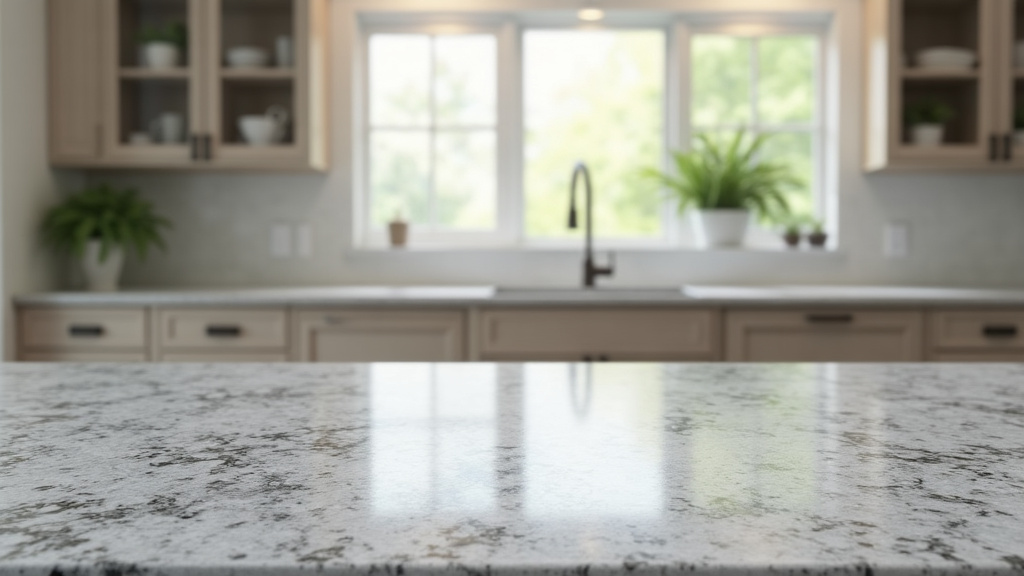
- Designing Your Dream Kitchen: From Concept to Creation
- The Process of Creating a Dream Kitchen
- Market Trends in Austin, Texas
- Incorporating Smart Home Systems
- Local Businesses and Contractors
- Kitchen Layouts and Ergonomics: Maximizing Space and Efficiency
- Unsung Heroes: Layout and Ergonomics
- Energy Efficiency and Ventilation
- Timeline and Engagement
- Incorporating Ergonomic Principles
- Choosing Kitchen Appliances: Features, Functions, and Future-Proofing Your Space
- Balancing Trends and Functionality
- Commercial-Grade Appliances
- Future-Proofing Your Kitchen
- Curating Your Kitchen
-
Frequently Asked Questions About Kitchen
- Functional Kitchen Layouts
- Selecting the Right Appliances
- Choosing Countertops
- When to Hire a Professional
- Energy Efficiency Tips
Kitchen Remodeling in Austin: Where to Start
Looking for kitchen remodeling in Austin, TX? Golden State Builders Austin, TX serves the local area and can answer questions specific to Austin.
Designing Your Dream Kitchen: From Concept to Creation
Creating a modern, functional kitchen involves a thoughtful process that blends personal style with practical considerations. In Austin, Texas, a vibrant city known for its social atmosphere, homeowners often seek open-concept kitchens that seamlessly blend dining and living spaces. This trend is reflected in a 2022 market study indicating a 25% increase in such designs in the city over the past five years.
The journey begins with a clear vision, a step often overlooked but important. Consultation with professionals like architects or designers is essential to translate this vision into a detailed plan. This phase involves:
- Measuring the kitchen space
- Selecting materials and finishes
- Deciding on the layout and appliance placement
A client in Austin recently wanted a modern, minimalist kitchen with ample storage. The designer recommended a custom knife block from The Knife Block Co., enhancing workspace and aesthetic appeal. Smart home systems, such as those offered by Miele, are gaining popularity, allowing for smooth control of lighting, temperature, and appliances.
Once the design is finalized, the kitchen creation phase begins. This involves:
- Hiring contractors
- Sourcing equipment and appliances
- Managing installation and project communication
Local businesses like Hobart, Traulsen, and Vulcan are popular choices for commercial-grade appliances. Contractors oversee the project, ensuring alignment with the design plan. A recent renovation in South Austin involved a traditional yet elegant kitchen design, featuring vintage-style appliances and a custom-made island.
| Factor | What to know |
|---|---|
| Open-concept design trend | 25% increase in Austin over past five years |
| Design & functionality phase | Takes 2-3 weeks |
| Construction & installation | Takes 3-4 months depending on complexity |
| HVAC energy costs | Average 20% of commercial kitchen energy costs |
| Appliance quality priority | 72% of homeowners cite it as key renovation factor |
| Countertop material options | Granite, quartz, or laminate, varying cost and upkeep |
Kitchen Layouts and Ergonomics: Maximizing Space and Efficiency
A well-functioning kitchen is a symphony of layout, ergonomics, and efficient workflows. In Austin, where the climate demands energy-efficient ventilation and cooling, smart kitchen design is vital. A 2022 study by the City of Austin revealed that commercial kitchens in the city average 20% of total energy costs attributed to HVAC systems.
Optimizing space and implementing ergonomic principles can reduce these costs and enhance user experience. Positioning the refrigerator away from the primary cooking area, as recommended by Miele and other appliance manufacturers, improves airflow and lowers cooling costs. The process involves:
- Initial planning and design
- Kitchen Design and Functionality phase (2-3 weeks)
- Construction and installation (3-4 months, depending on complexity)
Ergonomics play a significant role, ensuring the kitchen is not only aesthetically pleasing but also serves its occupants. A simple yet effective strategy is the use of a knife block near the primary cooking area, reducing physical strain on cooks. Smart home systems, while offering convenience, should be evaluated for their long-term value and energy efficiency.
Choosing Kitchen Appliances: Features, Functions, and Future-Proofing Your Space
Selecting kitchen appliances involves balancing current trends, long-term needs, and personal preferences. Integrated, smart home systems, like those offered by Miele, are popular for their convenience and energy efficiency. However, not all features are necessary for every household. Focus on functionality and quality.
Commercial-grade appliances from Hobart, Traulsen, and Vulcan are built for constant use, making them ideal for families with multiple cooks. According to a 2022 survey by the National Kitchen & Bath Association, 72% of homeowners reported appliance quality as a primary renovation factor.
Future-proofing involves choosing versatile, adaptable appliances. Consider a knife block from The Knife Block Co. that accommodates various blades, ensuring your kitchen grows with your culinary skills. When choosing, ask:
- Will this appliance still be relevant in five years?
- Can it adapt to changing needs?
Popular styles blend functionality and simplicity, like Scandi or rustic. Avoid trends that prioritize aesthetics over practicality, such as marble countertops or copper appliances, which can be high-maintenance. Curating your kitchen involves balancing trends, functionality, and budget.
Frequently Asked Questions
What is the best layout for a functional kitchen?
A conversational layout with a logical triangle between the stove, sink, and refrigerator facilitates movement and multitasking. Keep high-use items within easy reach and use storage solutions like cabinets, pull-out drawers, and overhead shelves to maximize space. Keeping frequently used utensils within arm’s reach can save precious minutes during meal preparation.
How do I choose the right appliances for my kitchen?
Consider your lifestyle, cooking habits, and budget. Research energy efficiency ratings and user reviews. For serious home chefs, a top-of-the-line gas range may be ideal, while a compact microwave suits smaller kitchens. Factor in appliance size and compatibility with existing systems.
What materials are best for kitchen countertops?
Options include granite, quartz, and laminate. Granite is natural stone, offering a unique look but requires sealing and more maintenance. Quartz is man-made, durable, and easy to clean, making it a mid-range option. Laminate is budget-friendly, easy to install, and scratch-resistant. Choose based on design preferences, budget, and expected use.
When should I hire a professional for kitchen renovation?
Complex renovations, especially involving plumbing, electrical, or structural changes, benefit from professional expertise. For custom cabinetry, built-in appliances, or advanced technology integration, a licensed contractor is essential. They ensure code compliance and offer valuable design insights. For smaller projects, DIY can be cost-effective, but professional help is recommended for safety and quality.
How can I make my kitchen more energy-efficient?
Choose energy-efficient appliances, install a programmable thermostat, use LED lighting, and consider a smart home system for automated temperature and lighting control. These measures reduce energy bills and environmental impact.
Golden State Builders
3355 Bee Caves Rd Ste 101, Austin, TX 78746
Website: gsbuildersgrouptx.com
View Golden State Builders on Google Maps
How to get to Golden State Builders from Blanton Museum of Art
If you’re over by Blanton Museum of Art, Golden State Builders is a short drive away. Head out on E Martin Luther King Jr Blvd and you’ll find us on Bee Caves Rd Ste 101 at 3355 Bee Caves Rd Ste 101, Austin, TX 78746. Use the map below for turn-by-turn directions.
For related local guidance, see our kitchen resources.