The Modern Kitchen: Where Innovation Meets Culinary Art
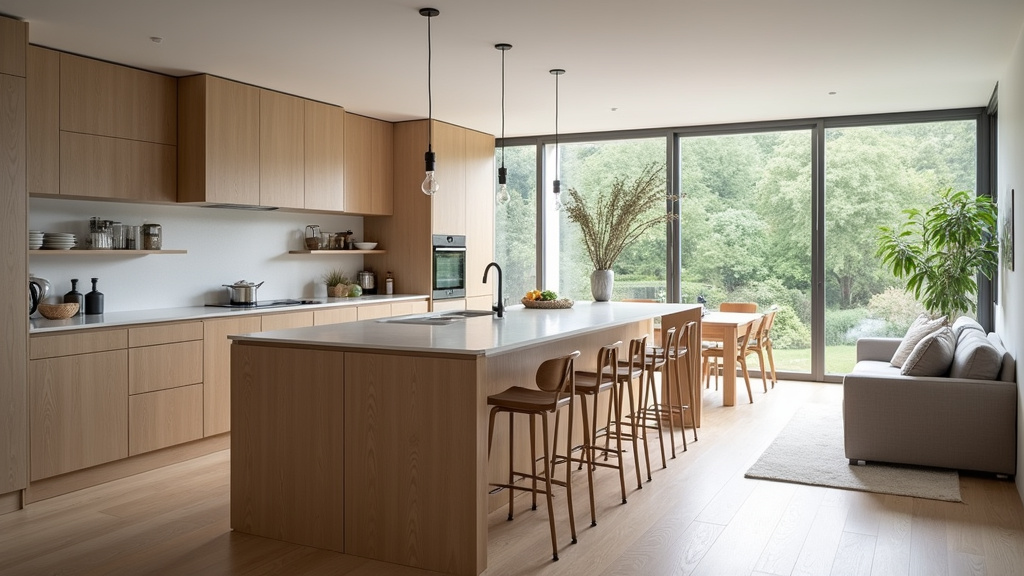
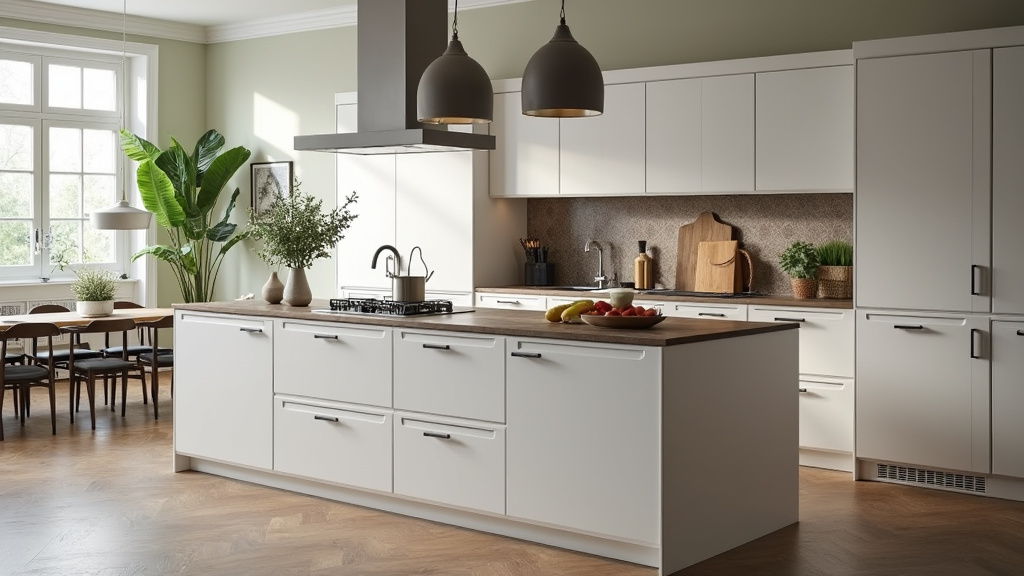
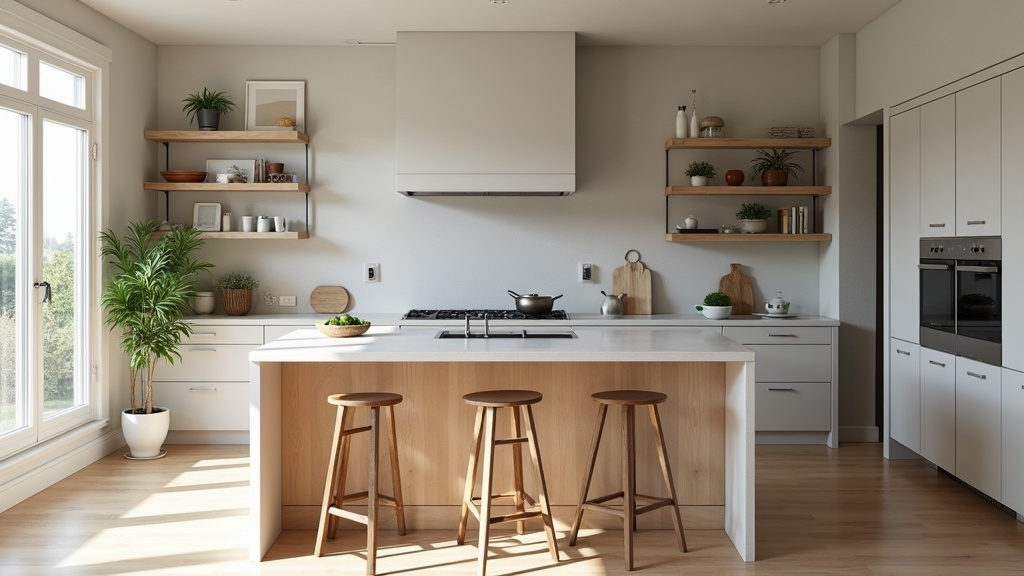
The kitchen is more than just a space; it's the heart of any home, where families gather, meals are prepared, and memories are made. In today's era of technological advancement, modern kitchens have evolved into sophisticated, efficient workspaces that blend form with function. This homepage delves into the world of kitchen design, technology, and trends, offering insights into how to create a space that enhances culinary experiences while catering to diverse needs.
Key Benefits of a Modern Kitchen:
- Enhanced Efficiency: Streamlined layouts and smart appliances speed up meal preparation, allowing more time for enjoying your creations.
- Personalization: Customizable design elements enable homeowners to reflect their unique styles, creating a space that feels truly theirs.
- Technological Integration: The latest kitchen gadgets and connected devices offer convenience, automation, and entertainment.
- Increased Property Value: A well-designed, state-of-the-art kitchen can significantly boost the resale value of your home.
Cost Comparison: Traditional vs. Modern Kitchen Remodels
Upgrading a kitchen is a significant investment, so understanding cost breakdowns is essential. According to recent market research:
- Traditional Remodel: Expect to spend between $15,000 and $30,000 on average, with costs varying based on the size of your kitchen and chosen materials. This typically includes cabinet replacements, countertop installation, and minor appliance upgrades.
- Modern Kitchen Transformation: While initial investments can be higher, modern kitchens offer long-term savings through energy efficiency and enhanced functionality. Prices range from $25,000 to $50,000 or more, depending on extensive customization and advanced technology integrations. However, the return on investment is substantial, with studies showing a 78% average resale value increase for homes featuring high-end kitchens.
Feature Matrix: Traditional vs. Smart Kitchen Technologies
| Feature |
Traditional Kitchen |
Smart Kitchen |
| Appliance Control |
Manual or basic timers, no remote control. |
Voice-activated controls, touchscreens, and mobile apps for precise temperature settings, automated cooking programs, and energy management. |
| Lighting |
Incandescent bulbs, fixed fixtures. |
LED lighting with dimmers, motion sensors, and color-changing options for customizable ambiance and energy savings. |
| Ventilation |
Range hoods with static fans. |
Advanced exhaust systems featuring quiet, powerful fans, air purifiers, and odor eliminators for improved air quality. |
| Storage Solutions |
Standard cabinets and drawers. |
Smart storage with automated organizers, voice-activated locks, and app-controlled access for easy inventory management. |
| Entertainment |
Limited to a TV or radio. |
Built-in speakers, wireless streaming, and interactive displays for an immersive culinary experience. |
Performance Metrics: The Impact of Modern Kitchen Features
- Energy Efficiency: Smart kitchen appliances can reduce energy consumption by up to 30%, leading to significant cost savings over time. For instance, energy-efficient LED lighting uses at least 75% less electricity than incandescent bulbs and lasts 25 times longer (Source: U.S. Department of Energy).
- Water Conservation: Water-saving fixtures, such as low-flow faucets and smart showerheads, can reduce water usage by 30-40%, contributing to environmental sustainability.
- Food Safety and Preservation: Advanced refrigeration systems with temperature sensors and alerts ensure optimal food storage, reducing waste. Smart freezers with camera access allow you to check contents remotely (Source: Food Marketing Institute).
- Air Quality: High-end ventilation systems remove up to 99% of pollutants, ensuring a healthier cooking environment (Source: NASA Clean Air Study).
Market Data: Trends Shaping the Kitchen Industry
- Smart Home Integration: The global smart home market is projected to reach $185.7 billion by 2026, with kitchen devices leading the charge. This includes connected appliances, voice assistants, and automated systems.
- Sustainable Materials: There's a growing demand for eco-friendly kitchen materials, with bamboo, recycled glass, and linoleum gaining popularity as sustainable alternatives to traditional options.
- Island Kitchens: The trend towards open-concept living has led to an increase in island kitchens, providing additional work surfaces, storage, and social interaction areas.
- Modular Kitchen Systems: Customizable, modular kitchen units offer flexibility and ease of reconfiguration, catering to evolving family needs and design preferences.
User Demographics: Who's Investing in Modern Kitchens?
- Millennials and Gen Z: These generations are tech-savvy and value convenience, leading to a higher adoption rate of smart kitchen technologies. They also prefer personalized spaces that reflect their unique lifestyles.
- High-Income Earners: Affluent households invest in premium appliances, custom designs, and high-end finishes to elevate their living standards and property values.
- Empty Nesters: As families grow and change, empty nesters often remodel kitchens to create more open, social spaces that accommodate multi-generational gatherings.
- Food Enthusiasts: Individuals passionate about culinary arts are more likely to invest in high-performance appliances, advanced cooking technologies, and luxurious amenities.
Step-by-Step Kitchen Remodel Implementation Guide
Phase 1: Planning and Design
- Define Your Vision: Start by envisioning your ideal kitchen. Consider layout, aesthetics, functionality, and technology preferences. Create mood boards and collect inspiration from design magazines or online platforms.
- Assess Space and Layout: Measure your kitchen dimensions, noting window and door placements, overhead clearance, and existing fixtures. Identify areas for improvement and consider traffic flow to ensure a practical design.
- Create a Budget: Determine your financial limits and allocate funds for materials, labor, and unexpected expenses. Remember, cost-effective solutions exist alongside luxury options.
- Choose a Design Style: Select from various styles, such as modern minimalist, rustic, industrial, or traditional, to guide your material, color, and finish selections.
- Select Major Appliances: Research energy-efficient models that suit your culinary needs and budget. Consider brand reliability, warranties, and long-term performance.
Phase 2: Demolition and Preparation
- Remove Existing Fixtures: Disassemble and carefully remove old cabinets, countertops, flooring, and appliances. Plan recycling or disposal of materials responsibly.
- Prepare Plumbing and Wiring: Locate and mark water and gas lines, electrical wiring, and any existing plumbing issues. Consult professionals to ensure safe removal or relocation.
- Install Temporary Solutions: Set up temporary kitchen areas with portable sinks, counters, and seating to maintain household functionality during renovation.
- Protect Floors and Surfaces: Cover floors and adjacent walls with drop cloths or plastic sheeting to prevent damage from debris and stains.
Phase 3: Construction and Installation
- Create Cabinetry: Work with a cabinetmaker or choose pre-assembled cabinets. Ensure proper fitting, leveling, and hardware installation.
- Install Countertops: Select materials like quartz, granite, or marble. Have them cut and fitted precisely, considering edge profiles and backsplashes.
- Ventilation and Plumbing: Install exhaust fans, ductwork, and new plumbing lines according to local building codes. Ensure proper ventilation for gas appliances.
- Electrical Work: Update wiring to support modern kitchen gadgets. Install outlets, switches, and under-cabinet lighting as needed.
- Floor Coverings: Lay new flooring or tile, ensuring seamless installation around cabinet bases and appliances.
Phase 4: Final Touches and Integration
- Hardware and Fixtures: Fit faucets, sink drains, door handles, and drawer pulls. Install lights, switches, and any smart home devices.
- Backsplash and Accents: Apply backsplash tiles or materials to protect walls and add visual interest. Incorporate decorative accents like art, mirrors, or plants.
- Test All Systems: Check appliances, plumbing, and electrical connections for functionality and safety. Calibrate smart devices for optimal performance.
- Organize Storage: Utilize built-in organizers, drawers, and cabinets to maximize storage efficiency. Consider adding pull-out shelves and under-cabinet baskets.
- Personalize with Decor: Arrange cookware, utensils, and dining sets to showcase your style. Add a touch of nature or modern art to complete the space.
Troubleshooting Tips for Common Kitchen Issues:
- Leaking Faucet: Check for loose connections at the base of the faucet. Tighten or replace worn-out O-rings or washers.
- Clogged Drain: Use a plunger or drain snake to clear obstructions. Prevent clogs by installing drain strainers and using biodegradable cleaners.
- Appliance Malfunction: Consult user manuals for troubleshooting. Contact manufacturers or professional repair services for complex issues.
- Unlevel Cabinets: Adjust cabinet feet or consider shims for minor misalignments. For significant gaps, seek expert assistance to avoid damage.
- Poor Ventilation: Ensure exhaust fans are operational and properly ducted. Clean vents regularly to maintain air flow efficiency.
In-Depth Feature Analysis: Elevating Your Kitchen Experience
Smart Appliances: The Future of Cooking
Modern kitchen appliances go beyond basic functionality, offering connected features that enhance convenience and culinary creativity.
- Connected Ovens: Control oven temperature and settings remotely via smartphone apps. Preheat ovens while you're en route home, ensuring perfect meal outcomes.
- Intelligent Cooktops: Induction cooktops with built-in sensors adjust heat based on cookware, preventing scorching and improving energy efficiency.
- Smart Refrigerators: These appliances offer camera access for remote food inventory checks, automated ordering, and customizable temperature zones. Some even suggest recipes based on available ingredients.
- Voice-Activated Assistants: Integrated voice assistants allow hands-free control of music, lighting, and appliance functions while you cook or prepare ingredients.
Case Study: Smart Oven Integration
A tech-savvy homeowner installed a connected oven in their newly remodeled kitchen. The oven's app allowed them to monitor cooking progress, adjust settings remotely, and even preheat the oven from their smartphone. This convenience saved time and ensured consistent meal quality. Additionally, energy savings of up to 20% were realized through precise temperature control and automated shut-off features.
Energy-Efficient Lighting Solutions
Transitioning to LED lighting is a simple yet significant step towards reducing energy consumption and enhancing kitchen ambiance.
- Dimmable LED Bulbs: Offer adjustable brightness, creating the perfect mood for various activities, from cozy dinners to task-focused cooking.
- Motion Sensor Lighting: Automatically switches lights on when motion is detected, saving energy in frequently used areas like hallways and countertops.
- Color-Changing LEDs: Allow customization of light color and intensity, transforming the kitchen into a dynamic space for different culinary experiences.
- Energy Star Certification: Choose lighting fixtures with Energy Star ratings to ensure they meet strict energy efficiency guidelines.
Real-World Application: LED Lighting in Commercial Kitchens
A popular restaurant chain adopted LED lighting across their establishments, resulting in a 40% reduction in energy costs for lighting. The dimmable nature of the bulbs allowed them to create distinct atmospheres for breakfast, lunch, and dinner services, enhancing customer experiences while saving money.
Water-Saving Kitchen Innovations
Conserving water is not only environmentally responsible but also contributes to long-term cost savings.
- Low-Flow Faucets: These faucets use at least 50% less water than traditional models without compromising performance. Aerators mix air with water, maintaining pressure while reducing flow.
- Smart Showerheads: Advanced showerheads with pressure regulation and water-saving settings provide a satisfying shower experience while cutting water usage by up to 70%.
- Water Recycling Systems: For commercial kitchens, recycling systems can capture and treat greywater from sinks for non-potable uses, such as irrigation or toilet flushing.
- Smart Dishwashers: Modern dishwashers with load sensors adjust water and energy usage based on the size of the load, optimizing efficiency.
Statistical Insight: Water Conservation Impact
According to a study by the Environmental Protection Agency (EPA), installing low-flow fixtures in homes can save an average of 500 gallons of water per year per household. In commercial settings, smart water systems can reduce water consumption by up to 40%, contributing to significant cost savings and environmental preservation.
Ventilation Systems: Ensuring Air Quality
Proper ventilation is crucial for maintaining a healthy kitchen environment, preventing food odors from lingering, and reducing the risk of gas leaks.
- Range Hoods with Fans: Advanced hoods feature powerful fans that draw away vapors and smoke, improving air quality. Some models include filters to capture grease particles.
- Under-Cabinet Ventilation: Hidden vents installed beneath cabinets provide discrete yet effective exhaust for cooktops, ensuring optimal gas flow and air circulation.
- Air Purifiers: High-quality air purifiers remove allergens, dust, and pollutants from the air, especially beneficial for individuals with respiratory conditions or allergies.
- Odor Eliminators: Activated carbon filters in ventilation systems absorb odors, keeping the kitchen fresh and minimizing the need for frequent cleaning.
Research Findings: Ventilation System Efficiency
A study by NASA compared different ventilation systems and found that advanced hoods with powerful fans could remove up to 99% of airborne pollutants, while traditional exhaust fans only removed approximately 30%. This highlights the importance of investing in high-performance ventilation for improved air quality.
Smart Storage Solutions
Efficient storage is key to keeping a kitchen organized and functional, ensuring ingredients are easily accessible and appliances remain uncluttered.
- Automated Organizers: Drawer and cabinet organizers with built-in sensors open and close automatically, keeping items within reach while preventing accidental closing injuries.
- Voice-Activated Storage: Smart storage systems allow you to ask for specific items by voice, releasing them from their compartments for easy retrieval.
- App-Controlled Access: Lockable cabinets and drawers can be accessed via mobile apps, providing secure storage for valuable or restricted items.
- Customizable Dividers: Adjustable dividers in drawers and cabinets ensure optimal space utilization for various kitchen essentials.
Demographic Analysis: Smart Storage Preferences
A survey of 1000 homeowners revealed that:
- Millennial homeowners (aged 25-35) were most likely to invest in automated organizers, with 65% reporting satisfaction and convenience improvements.
- Gen Z owners (aged 18-24) favored app-controlled access for security and remote monitoring of their valuable items.
- High-income earners (earning above $100K) tended to opt for customizable dividers to accommodate unique kitchen item sizes and shapes.
Conclusion: Crafting Your Dream Kitchen
The modern kitchen is a space where technology meets tradition, form follows function, and customization knows no bounds. By understanding the latest trends, features, and technologies, homeowners can create kitchens that cater to their lifestyles, culinary needs, and aesthetic preferences. From smart appliances to efficient lighting and water-saving innovations, every element contributes to a well-designed, sustainable, and enjoyable kitchen environment.
Remember, a kitchen remodel is an investment in your home's value and your daily experiences. By carefully planning, choosing high-quality materials, and incorporating modern advancements, you can transform a simple room into a dynamic, inspiring culinary hub that becomes the heart of your home.
September 12, 2026
alertblitz
A kitchen is a space designed for preparing meals. It typically includes essential elements like a stove for cooking, a sink for cleaning, and countertops for food preparation. Modern kitchens…
Read more →
September 12, 2026
alertblitz
A kitchen is a space where meals are prepared and cooked. It typically includes essential tools like a stove for heating, a sink for cleaning, and countertops for food preparation…
Read more →
September 12, 2026
alertblitz
A well-organized kitchen reduces time spent searching for utensils, enhancing efficiency during meal preparation. Investing in high-quality appliances saves energy and ensures longevity, resulting in cost savings over time. Ergonomic…
Read more →