






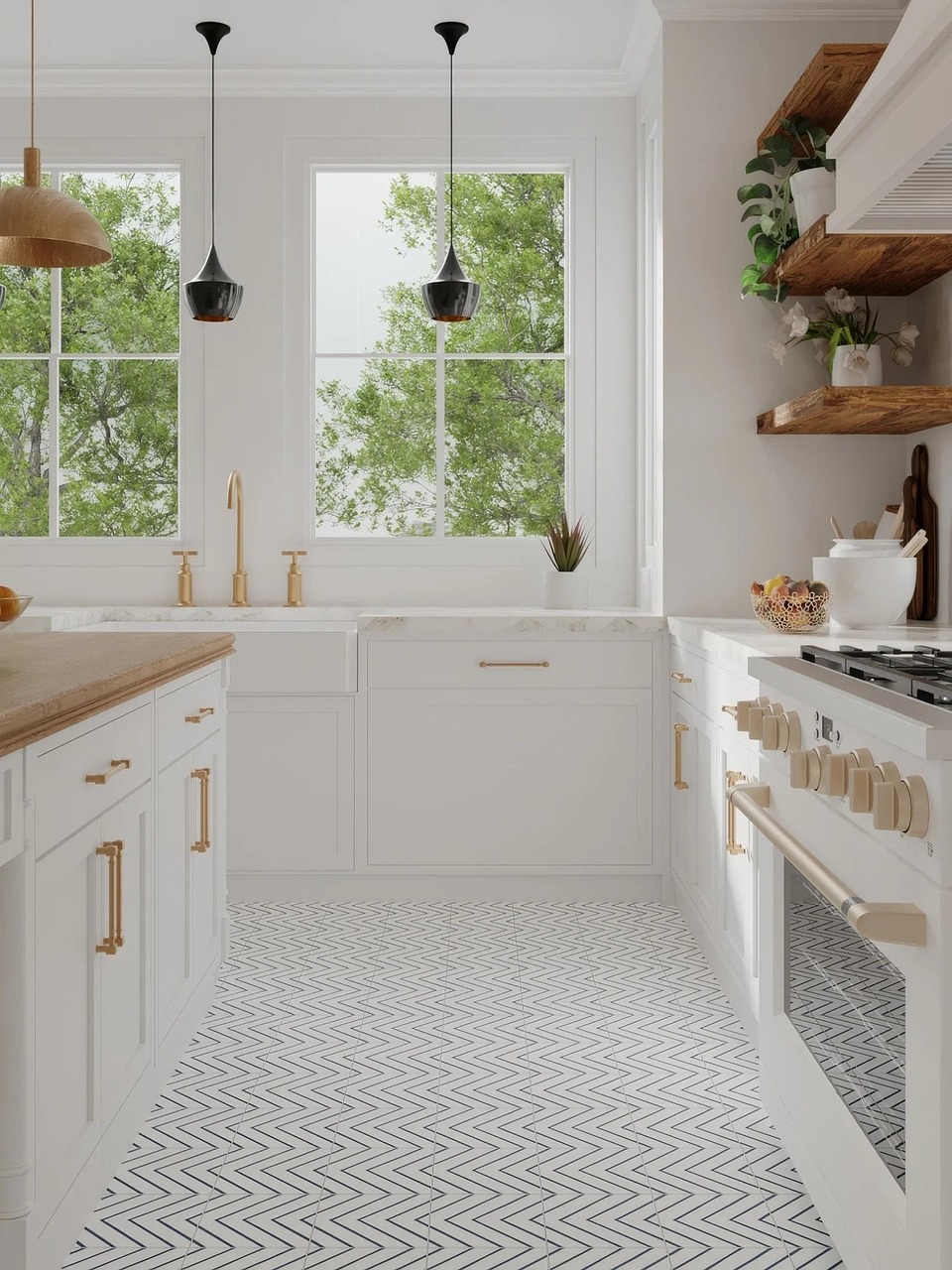
A kitchen is a space dedicated to preparing food and meals. It typically includes essential elements like a stove for cooking, a sink for cleaning, and countertops for food preparation. Kitchens are the heart of many homes, fostering family bonding and creating delicious memories through culinary adventures.
Key Takeaways
- A well-organized kitchen reduces time spent searching for utensils and ingredients, enhancing efficiency.
- Energy-efficient appliances not only save money but also contribute to a greener home environment.
- Optimizing storage solutions in a kitchen can free up counter space and create a more inviting area.
- Investing in high-quality knives is crucial for food preparation, ensuring better taste and nutrition.
- Incorporating natural lighting in the kitchen improves mood and makes meal times more enjoyable.
- Ergonomic design (find out more) considerations make cooking and cleaning easier, reducing strain on the body.
The kitchen is the heart of any home, a space where families gather, meals are prepared, and memories are made. However, maintaining an efficient and functional kitchen can be a challenge, with issues like limited storage, outdated appliances, or inadequate layout hindering its potential. This article delves into the key aspects of kitchen design and renovation, offering practical solutions to transform your culinary space into a modern, inviting, and organized haven that enhances your daily routine and entertains guests. Get ready to unlock the full potential of your kitchen.
- Designing Your Dream Kitchen: Layout and Esthetics
- Essential Kitchen Tools: Equipment for Every Home Cook
- Kitchen Efficiency: Streamlining for Daily Smoothness
Designing Your Dream Kitchen: Layout and Esthetics
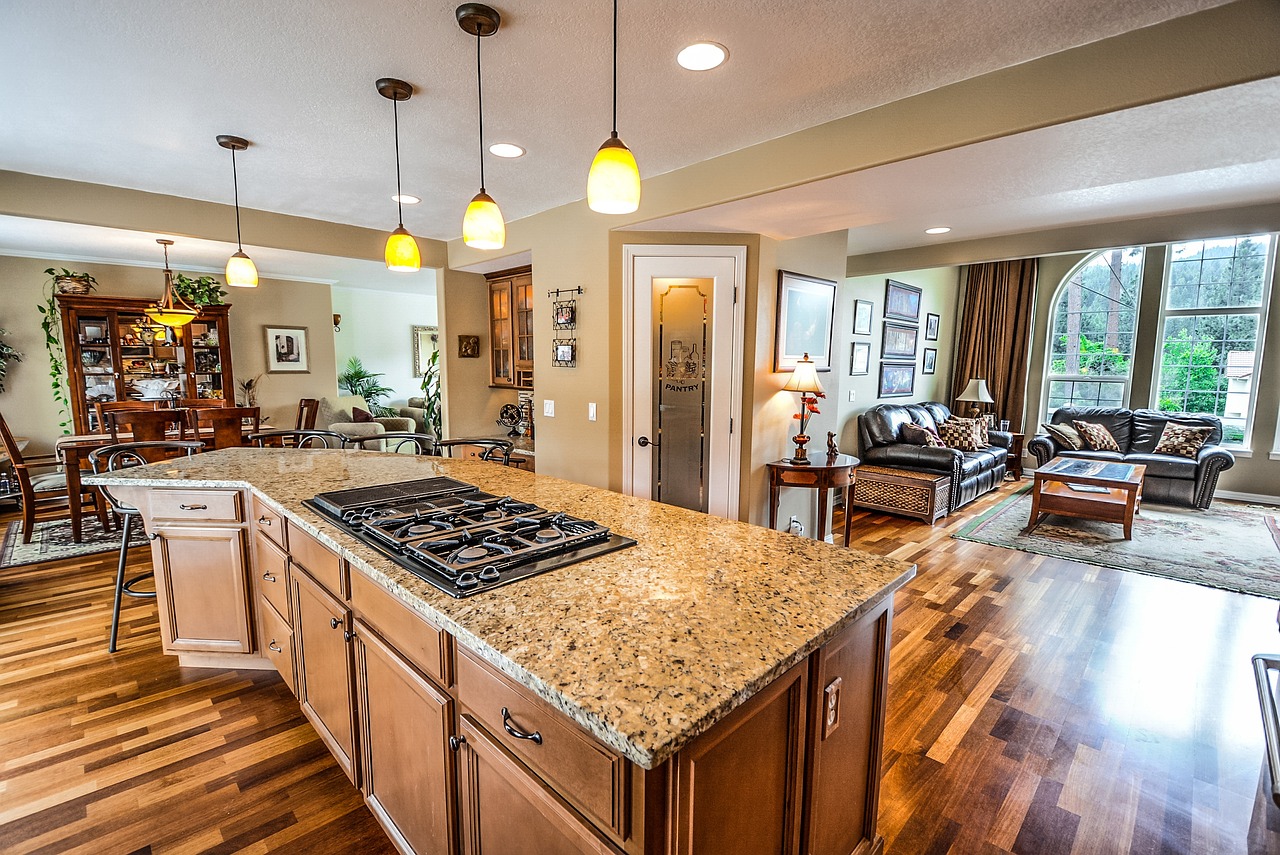
Designing your dream kitchen involves a delicate balance of aesthetics and functionality. The most popular kitchen style currently is a blend of modern and minimalist designs, characterized by clean lines, neutral color palettes, and smart storage solutions. This trend emphasizes open floor plans, incorporating islands and breakfast bars to create a flexible and social space that seamlessly connects with dining areas. When envisioning your ideal kitchen, remember that the layout plays as crucial a role as the design itself. A well-thought-out floor plan enhances movement and interaction, ensuring that your kitchen is not only visually appealing but also practical for daily use.
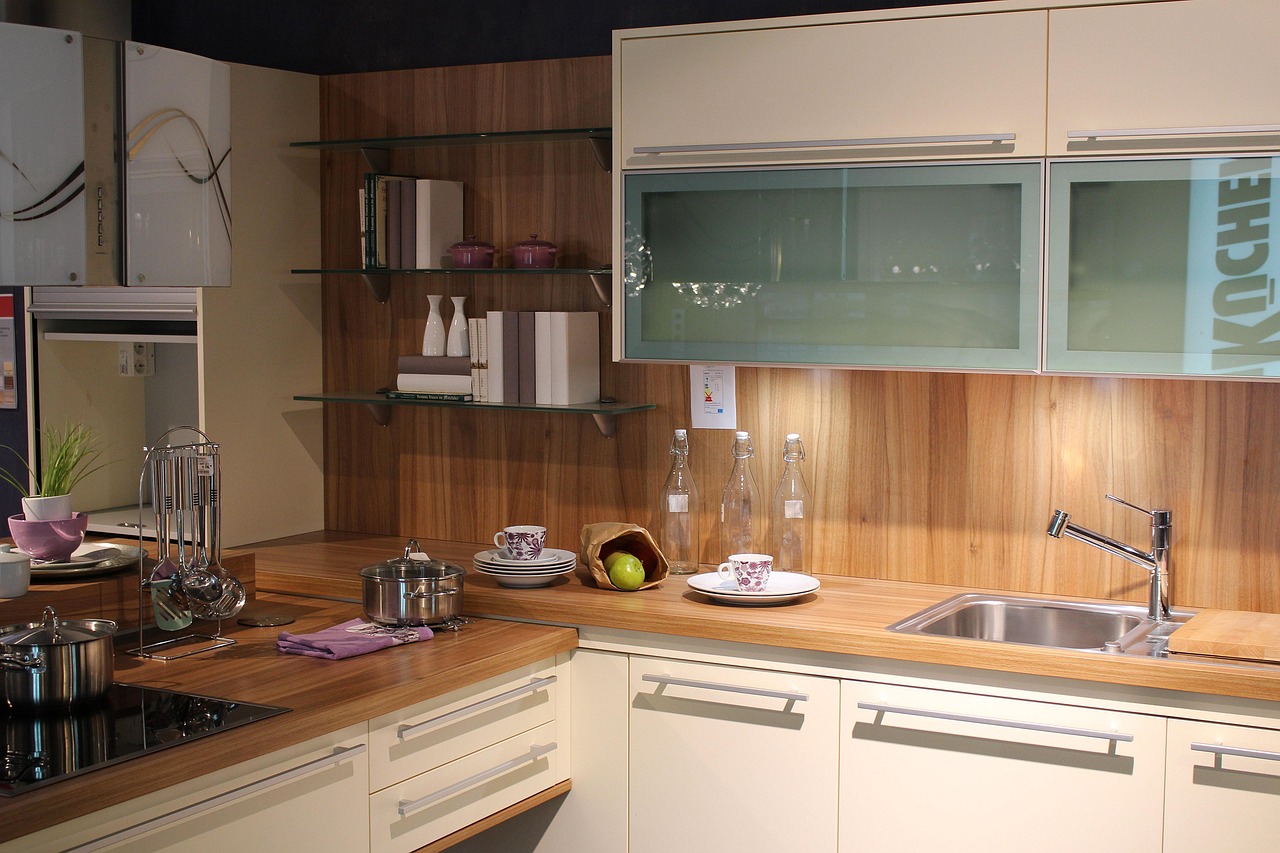
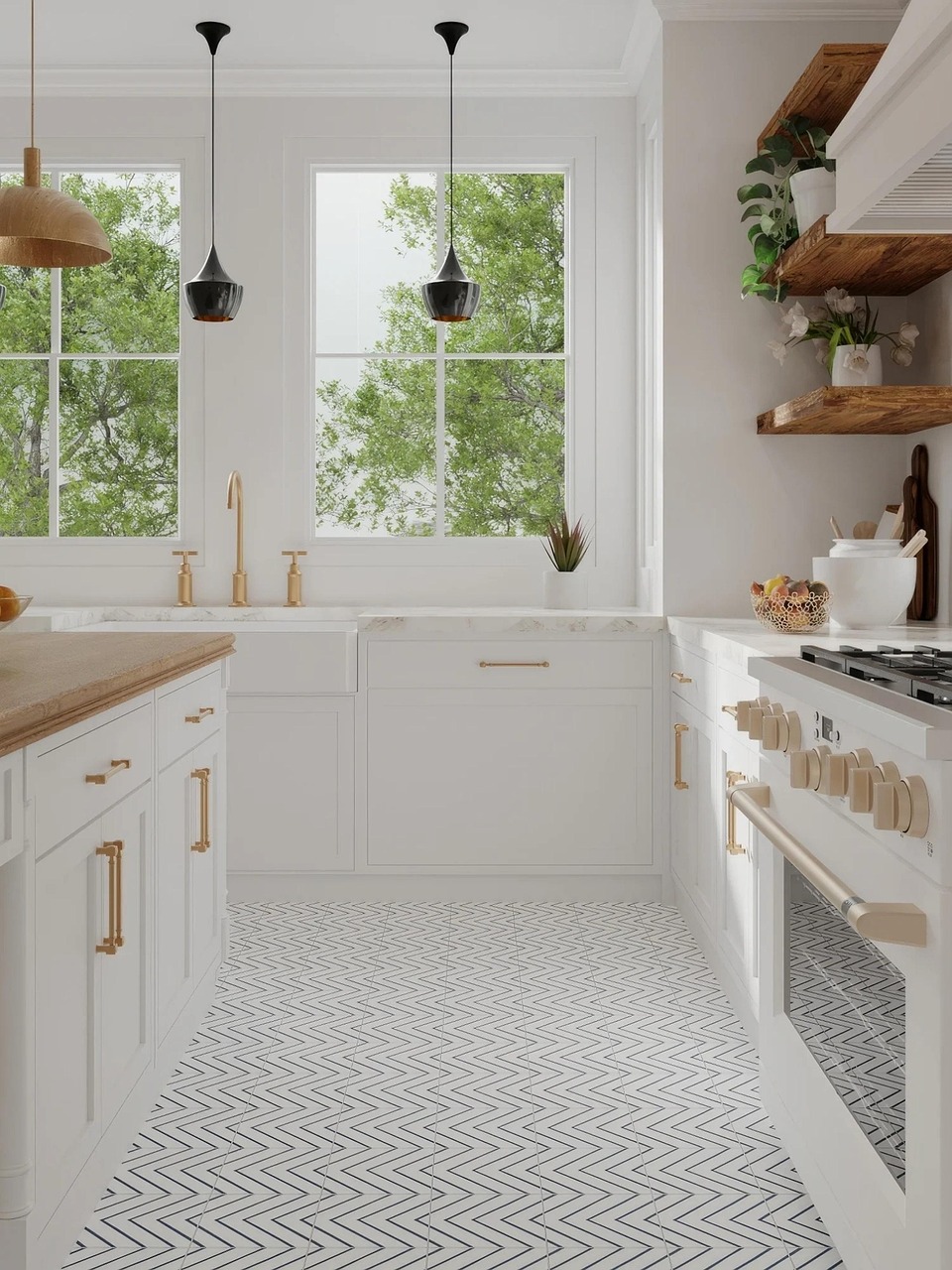
However, some kitchen trends should be avoided to prevent creating an outdated space within a few years. For instance, excessive use of dark wood and bold patterns can quickly fade in popularity. Instead, opt for timeless elements like white or gray cabinets, stainless steel appliances, and neutral backsplashes that offer a versatile backdrop for future redesigns or decor changes. The Kitchen Austin is a notable concept that has gained traction recently, but whether it’s worth the price depends on individual needs and preferences. This high-end kitchen solution often comes with premium pricing, so thorough research and consultation are essential before committing.
Locally, factors like property values and real estate trends in Austin can influence kitchen design decisions. Homeowners here have shown a growing interest in smart homes and integrated technology, leading to increased demand for modern kitchens equipped with advanced appliances and automated systems. The duration of installing a custom kitchen in Austin typically ranges from 1 to 3 months, depending on the complexity of the project and the supplier’s capacity. To ensure a smooth process, consider working with reputable local contractors who can guide you through design choices, budget planning, and timeline expectations, helping you create your dream kitchen without the usual headaches. Alternatives to Kitchen Austin include exploring local custom cabinet builders or partnering with general contractors known for their kitchen renovations, offering more flexibility in terms of cost and design personalization.
Essential Kitchen Tools: Equipment for Every Home Cook
In today’s world, the kitchen is the heart of the home, a space where families gather, meals are prepared, and memories are made. With the rise of home cooking and culinary creativity, equipping your kitchen with the right tools is essential for every home cook. Beyond the basic appliances, there’s a growing array of specialized equipment that can transform your kitchen into a dynamic, efficient workspace. Understanding the must-haves and trendy alternatives can guide home cooks in navigating the diverse kitchen landscape.
The most popular kitchen styles today lean towards modern and minimalist designs, emphasizing clean lines, natural materials, and smart storage solutions. In line with these trends, versatile tools like a high-quality knife set, a multi-purpose cutting board, and a compact, efficient blender are invaluable additions. For instance, a Japanese-style Santoku knife is highly versatile, suitable for slicing, dicing, and mincing a wide range of ingredients. Similarly, a powerful immersion blender allows for quick and easy preparation of soups, sauces, and even mayonnaise. These tools not only save time but also enhance the overall cooking experience, ensuring your kitchen is a joy to use.
However, it’s important to avoid falling into the trap of over-equipped kitchens, often referred to as "kitchen fatigue." Trends can be enticing, but not all gadgets and gizmos are worth the investment. For example, while a high-tech, smart coffee maker might be a gadget lover’s dream, a simple, well-made pour-over kettle can provide excellent coffee without the added cost and complexity. When it comes to Austin, Texas, a vibrant culinary hub, The Kitchen, a popular kitchen and home goods store, offers a range of options. Yet, with prices that can be steep, it’s crucial to consider if the investment is worth it, especially with alternatives available. Local factors like climate and cultural culinary preferences can also influence your kitchen needs. For instance, a Texas kitchen might require a sturdier, more durable set of cookware than a coastal kitchen.
In terms of time, setting up a well-equipped kitchen takes time and thoughtful planning. Whether you’re in Austin or anywhere else, allowing for research, purchasing, and organization is key. The Kitchen in Austin, while popular, is known for its extensive selection and expert advice, but the decision to shop there depends on individual needs and budgets. Ultimately, a balanced kitchen is one that reflects your culinary passions and daily routines, offering both functionality and inspiration.
Kitchen Efficiency: Streamlining for Daily Smoothness
In today’s fast-paced world, a streamlined kitchen is not just a luxury but a necessity for daily smoothness. The kitchen, often described as the heart of the home, plays a pivotal role in simplifying our lives and fostering connections through meal preparation and shared meals. With Austin, Texas, known for its vibrant food scene and diverse culinary influences, understanding kitchen efficiency becomes even more crucial.
In terms of popular kitchen styles, modern designs with clean lines, open layouts, and smart appliances continue to dominate. These aesthetics not only enhance functionality but also create a visually appealing space that encourages spending time in the kitchen. However, amidst the trends, it’s important to avoid certain pitfalls. Over-customization or following every fleeting trend can lead to increased costs and potential impracticality. For instance, while a custom island may be aesthetically pleasing, it might not offer the same level of practicality as a versatile, multi-purpose table that adapts to various needs.
When considering whether The Kitchen in Austin is worth the price, several local factors come into play. Property values in Austin have been on the rise, impacting the overall cost of kitchen renovations. According to recent data, the average cost of a mid-range kitchen remodel in Austin hovers around $25,000. Factors like location, size, and quality of materials significantly influence this figure. For homeowners seeking alternatives, there are numerous options available. Local contractors often offer competitive pricing for custom designs, while pre-built or modular kitchens provide cost-effective solutions without compromising functionality.
The timeline for kitchen projects in Austin varies based on the scope of work. A simple update, such as replacing cabinets or countertops, can typically be completed within 1-2 weeks. However, more intricate renovations involving structural changes and custom installations may take 3-4 months or even longer. For instance, a client who opts for a complete kitchen gut renovation with custom cabinetry and high-end appliances should expect a process that unfolds over several months to ensure precise crafting and delivery of each element.
Frequently Asked Questions About Kitchen
What are the essential elements of a well-designed kitchen?
A good kitchen design prioritizes functionality, aesthetics, and practicality. Key elements include efficient workspace layout, quality appliances, ample storage solutions, and durable materials. Consider the workflow when placing countertops, stove, sink, and fridge to ensure smooth cooking and cleaning experiences.
How do I choose the right appliances for my kitchen?
When selecting kitchen appliances, focus on your needs and preferences. Research different brands and models, comparing features, energy efficiency ratings, and user reviews. Consider space requirements and compatibility with existing or planned layout. A mix of high-performance and cost-effective options can create a functional and stylish kitchen.
What are some tips for keeping a kitchen clean and organized?
Regular cleaning routines are crucial. Designate specific zones for different tasks and keep similar items together (e.g., utensils, spices). Use storage containers to organize cabinets and drawers. Implement quick tidy-up practices after meals. Disinfect surfaces regularly, especially high-touch areas like countertops and doorknobs.
Can you offer advice on lighting options for a kitchen?
Kitchen lighting should be versatile and well-distributed. Combine overhead lights with task lighting above work areas. Under-cabinet LED lights enhance food preparation by providing focused illumination. Consider dimmable fixtures to adjust lighting according to the activity, from bright task lighting to softer ambient glow for dining.
How do I create a theme or style for my kitchen?
Choose a color palette and select elements that complement it—cabinets, countertops, backsplash, and appliances. Incorporate decorative touches like artwork, plants, or accent pieces. Consider the overall atmosphere you want to achieve—modern, rustic, minimalist, etc.—and source furniture and decor that align with your chosen style.
What are some energy-saving tips for a kitchen?
Implement energy-efficient practices by choosing Energy Star appliances and LED lighting. Keep vents clear of obstructions to improve airflow and reduce cooking times. Opt for power-saving settings on appliances, and consider using a smart thermostat to control temperature efficiently. Regularly clean or replace filters in ventilation systems for optimal performance.
Designing your dream kitchen involves a balance of aesthetics and functionality. Prioritize a layout that suits your lifestyle, incorporate thoughtful storage solutions, and choose materials and colors that inspire you. Investing in essential kitchen tools, such as high-quality knives, a robust blender, and versatile cookware, will elevate your cooking experience. Streamlining your workflow through efficient storage, designated spaces, and organization techniques ensures daily smooth operation. By implementing these key insights, you can transform your kitchen into a space that not only meets but exceeds your expectations, empowering you to create culinary masterpieces with ease and joy.